Tortuga Audio
We design and build preamp controllers & attenuators
made with Light Dependent Resistors
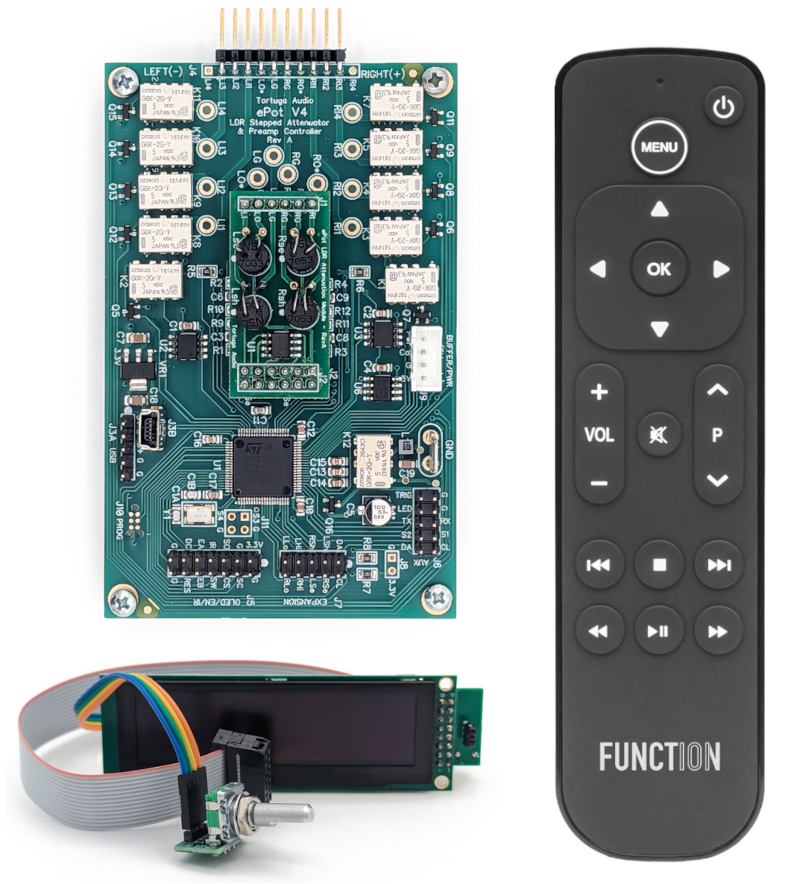
Figure 1. The V4 bundle — board, OLED display, encoder, and infrared remote
|
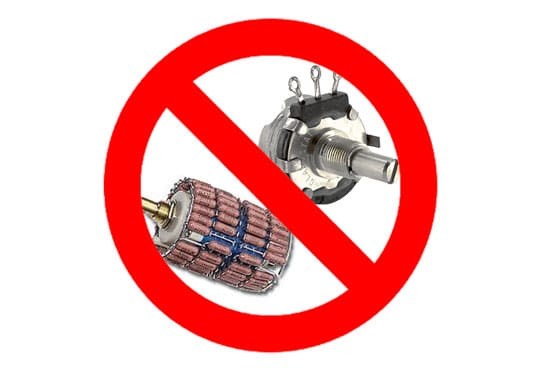
100 steps - 60 dB range No mechanical devices No potentiometers No switches Just a resistor and a photon
|
The ePot.V4 | a complete preamp controller system
The V4 is a complete, 2-channel stereo preamp controller for both single-ended & balanced audio (balanced available later 2026).
What does a preamp controller do?
|
What does an attenuator do?
What do I do with it?
What options are there?
|
Built for builders

|
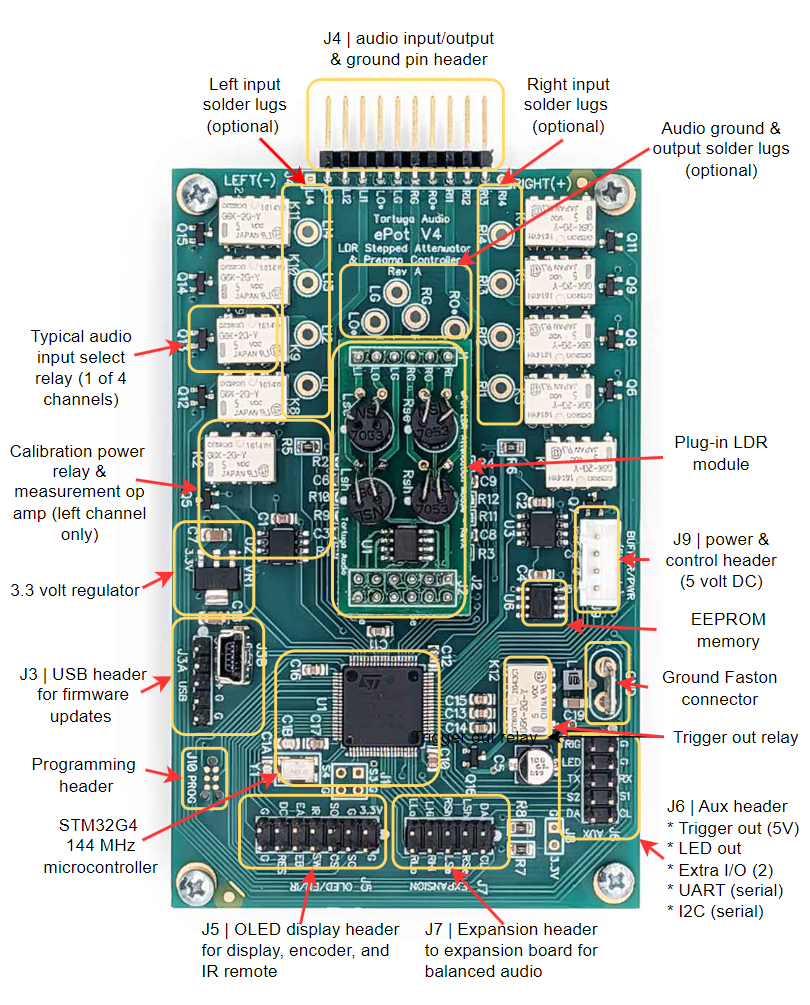
Figure 2. ePot.V4 board - annotated
|
Tortuga Audio sells modules and components that allow a builder to create their own passive or active preamplifier.
We design and manufacture the electronics — the controller, the LDR modules, the display, the buffer board — and you bring the craft. Our customers build preamps into chassis they choose, wired and finished to their own standards. If you know how to solder, read a wiring diagram, and want control over every detail of the final build, this is your platform.
Please note that we DO NOT sell comprehensive turnkey kits. There are no detailed step-by-step instructions or pre-drilled enclosures. That said, every product page here includes its full technical detail, and the V4 Preamp Controller Manual and LDR Manual cover system-wide operation and LDR technology in depth.
What is an LDR?
A Light Dependent Resistor (LDR) is a composite part that integrates a photoresistor (a.k.a. photocell) with a Light Emitting Diode (LED) to create a new and uniquely useful component type – a true variable resistor controlled by a small electric current.
Our LDRs are manufactured by Advanced Photonix, a division of OSI Optoelectronics — one of the largest optoelectronic component manufacturers in the U.S., with over 50 years in photonics and optical sensor design.
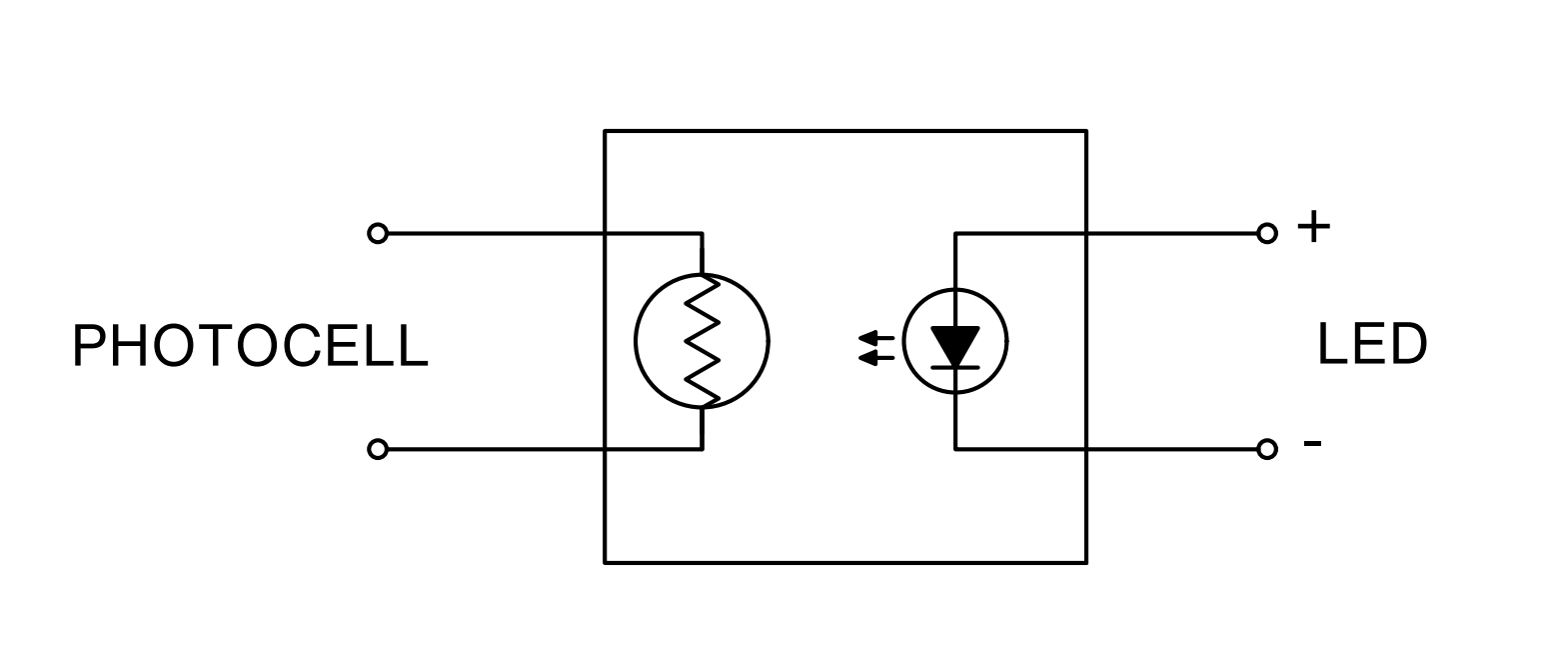
Figure 3. Schematic symbol for LDR
|
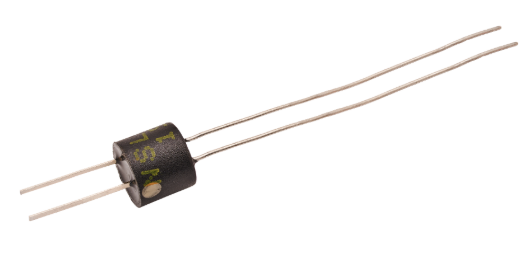
Figure 4. Advanced Photonix model NSL-32SR3 LDR
|
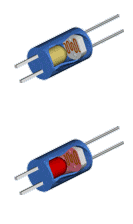
Figure 5. Artistic rendering of operating LDR
|
How LDRs behave
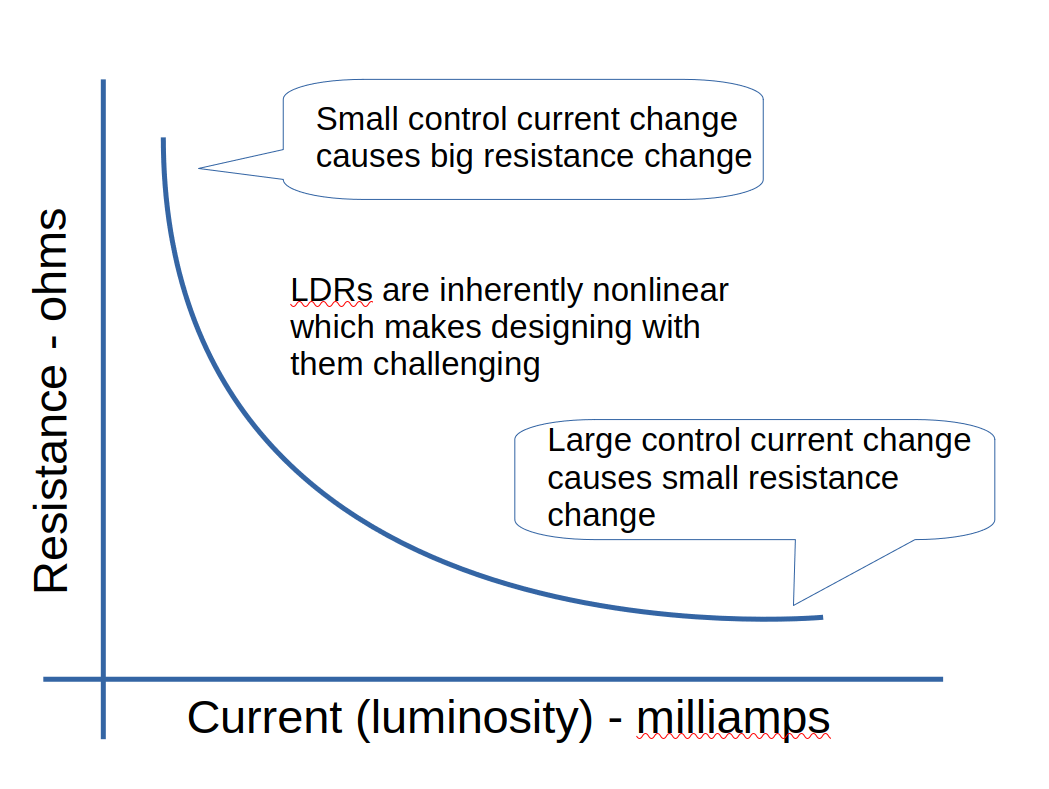
LDR resistance varies inversely with the light intensity emitted by the LED. Higher control current results in lower resistance. But this relationship is not constant as is evident by the changing slope in the performance curve shown for a typical LDR. This is called “nonlinear” behavior and it’s one major reason why LDRs are challenging for audio designers.
Another key design constraint is the available control range. We are limited to operating our LDRs between 100 ohms and 100,000 ohms to ensure longevity and stable repeatable behavior.
Modular construction
Since LDRs have a finite life and sometimes fail prematurely, we chose to put our LDRs into plug-in modules that are easily replaceable rather than solder them in permanently. We have gone through 2 LDR module design iterations resulting in the earlier V2 module and the current V3/V4 module both shown below.
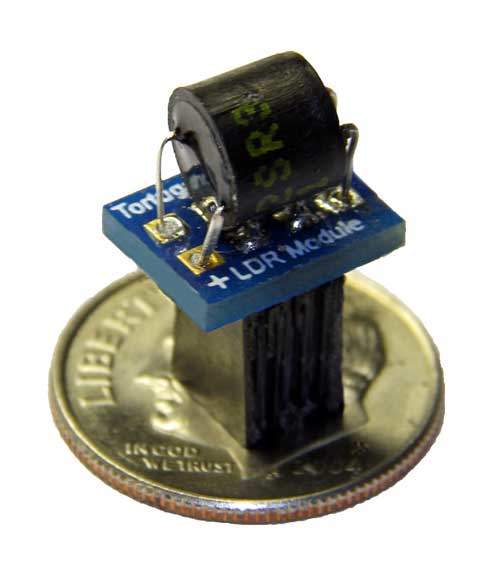
Figure 7. V2/V25 series single LDR module
|
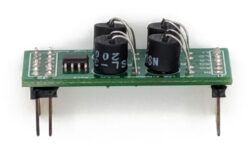
Figure 8. V3/V4 series quad LDR module
|
LDR sonic performance
LDRs impart a subtle harmonic distortion that can be measured but isn’t audible as such. This is quite similar to the predominately second order harmonics that audio designers deliberately cultivate in tube equipment. Because it’s perceived as musical rather than harsh or electronic. That’s likely the real explanation for why listeners consistently describe LDR preamps as clean, natural, and organic. Not because nothing was added to the signal, but because what was added happens to be a kind of coloration the ear already likes.
What LDRs give up in measured harmonic distortion, they give back in the absence of mechanical contact degradation, wiper noise, and channel mismatch — the harsh, grainy artifacts that come from an actual physical component touching your signal and wearing over time. For us, and for the owners whose words you see below, that’s a trade-off worth making.
You don’t have to take our word for it. Every Tortuga Audio preamp ships with a 30-day in-home audition policy. Try it in your system. Trust your ears.
|
If you are looking for a deeper understanding of LDRs, we invite you to review our online LDR Technology Manual. |
What owners hear
14 years of owner reviews. No editing. No cherry-picking. These are their words.
“…if you want the ultimate in transparency you would be hard-pressed—regardless of budget—to find a preamplifier, passive or active, that delivers your music with less editorializing than the Tortuga Audio LDR3.V2.”

“The Tortuga Audio preamp equaled or surpassed all basic performance parameters against any contenders I had in house, passive, active, tube, FET and at any price level with regards to faithfulness.”

“The difference it makes to the sound is astonishing… It’s really unbelievably clean. And natural. Very very natural sound. And the one thing that I don’t think others have mentioned but which is really striking in my system is the bass. Huge extra bass depth and slam…”
 Email from customer — LDR3000T.V25 Tube Preamp
“There have been many, many goosebump moments, with familiar albums often taking on a new beauty thanks to the Tortuga’s superb performance. Make no mistake, this is a relatively inexpensive preamp with exceptional accuracy that does not in any way add to or subtract from the original recording, IMHO.”

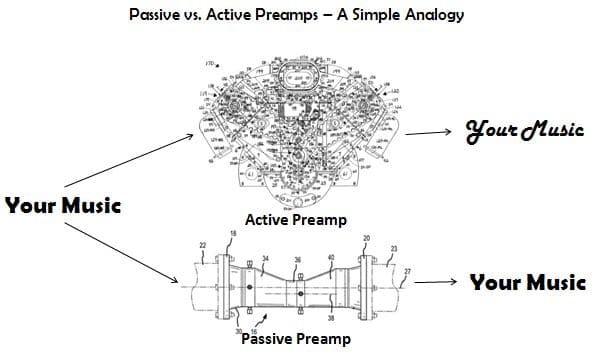
Passive or active? Your system decides.
The passive vs. active debate is better understood today to be less about which is inherently better than recognizing and adapting to a given system’s strengths and weaknesses. Turns out most systems work fine with passive attenuation without an active gain stage or impedance buffer. For when you need a bit more isolation or dynamic performance, we offer a clever little solid-state add-on buffer board that gets the job done. And a tube based buffer option may also be in the offing later this year.

Passive preamp
|
Active preamp
|
Articles & resources
We’ve been designing LDR-based audio controllers since 2012. Our articles cover the technology behind our products, how LDRs work, and what makes them different. No hype — just what we’ve learned building them.

The guy behind the Tortuga
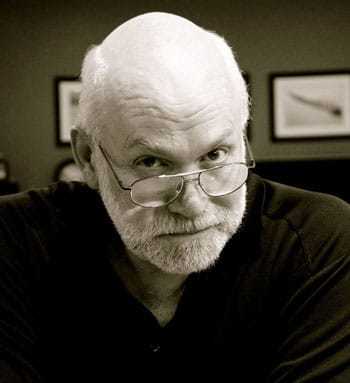
I started Tortuga Audio in 2012 soon after experiencing first hand what light-dependent resistors could do for audio. Fourteen years later, and I’m still exploring the possibilities. I design everything from a small shop in central Oregon, and I still get a kick out of shipping gear to someone who actually wants to build something with it or hear it in their system.
Sometimes I even get inspired to design, build and sell a few finished preamps and buffers.